Blog

  • Why Prompts Might Be the Secret to Actually Finishing Your Baby Memory Book

    Why Prompts Might Be the Secret to Actually Finishing Your Baby Memory Book

    Most parents don’t struggle to remember memories. They struggle to remember what to actually put down in a memory book and in what order.

    That’s often why baby books get abandoned halfway through. Parents sit down with good intentions, stare at a blank screen and think: What should I even document?

    The result is that thousands of photos get saved. Very few stories make it to the memory book.

    That’s where memory prompts make all the difference. A simple question at the right moment can unlock a memory you never would have thought to save on your own.

    The Problem With Blank Pages

    Traditional memory books often give parents empty spaces and expect them to know what belongs there. But parenting doesn’t happen in organized chapters.

    It happens in random moments.

    The funny thing your child said during breakfast. The strange obsession with a particular spoon. The bedtime ritual that somehow became part of family life.

    Most parents aren’t short on memories. They’re short on reminders. Sometimes all it takes is a small prompt to bring a meaningful story to the surface.

    The Best Memories Are Usually Unplanned

    When people think about memory keeping, they often focus on milestones. First steps, first words, birthdays. But some of the most treasured memories aren’t milestones at all.

    They’re things like:

    What was their favourite song this month?

    What made them laugh today?

    What food were they obsessed with?

    What funny word did they invent?

    What was your favourite thing about them this week?

    These are the kinds of memories that rarely get documented naturally. But they’re often the ones parents miss most later.

    Prompts Help Capture Personality, Not Just Events

    A photo tells you what happened. A prompt helps you remember who your child was.

    For example: Instead of saving another photo from the playground, imagine answering: What is your child’s current favourite thing to do outside?

    Or: What made them laugh uncontrollably this week?

    Suddenly you’re preserving personality. Not just pictures. And personality is often what changes fastest.

    Memory Keeping Becomes Easier When You Don’t Have to Think

    One reason many parents stop updating memory books is decision fatigue. There are simply too many memories.

    Too many photos. Too many moments. Too little time.

    Prompts remove the pressure of deciding what matters. Instead of wondering what to save, parents simply respond to a question.

    A two-minute answer can become a memory that lasts forever.

    Why WhatsApp Works Surprisingly Well

    Most parents don’t want another app. Another login. Another platform to learn.

    That’s why memory prompts work best when they arrive somewhere parents already spend time every day. Like WhatsApp.

    Instead of setting aside an hour for memory keeping, parents can simply answer a question when it arrives.

    A quick response. A photo. A story. A video.

    And another piece of childhood is preserved.

    It feels less like journaling and more like having a conversation about your child.

    One of the most valuable parts of memory prompts is that they surface memories parents may never think to document themselves.

    These aren’t milestone questions. They’re life questions.

    And they often create the richest memories. Prompts act like little nudges.

    They help transform everyday moments into stories. And over time, those stories become a childhood.

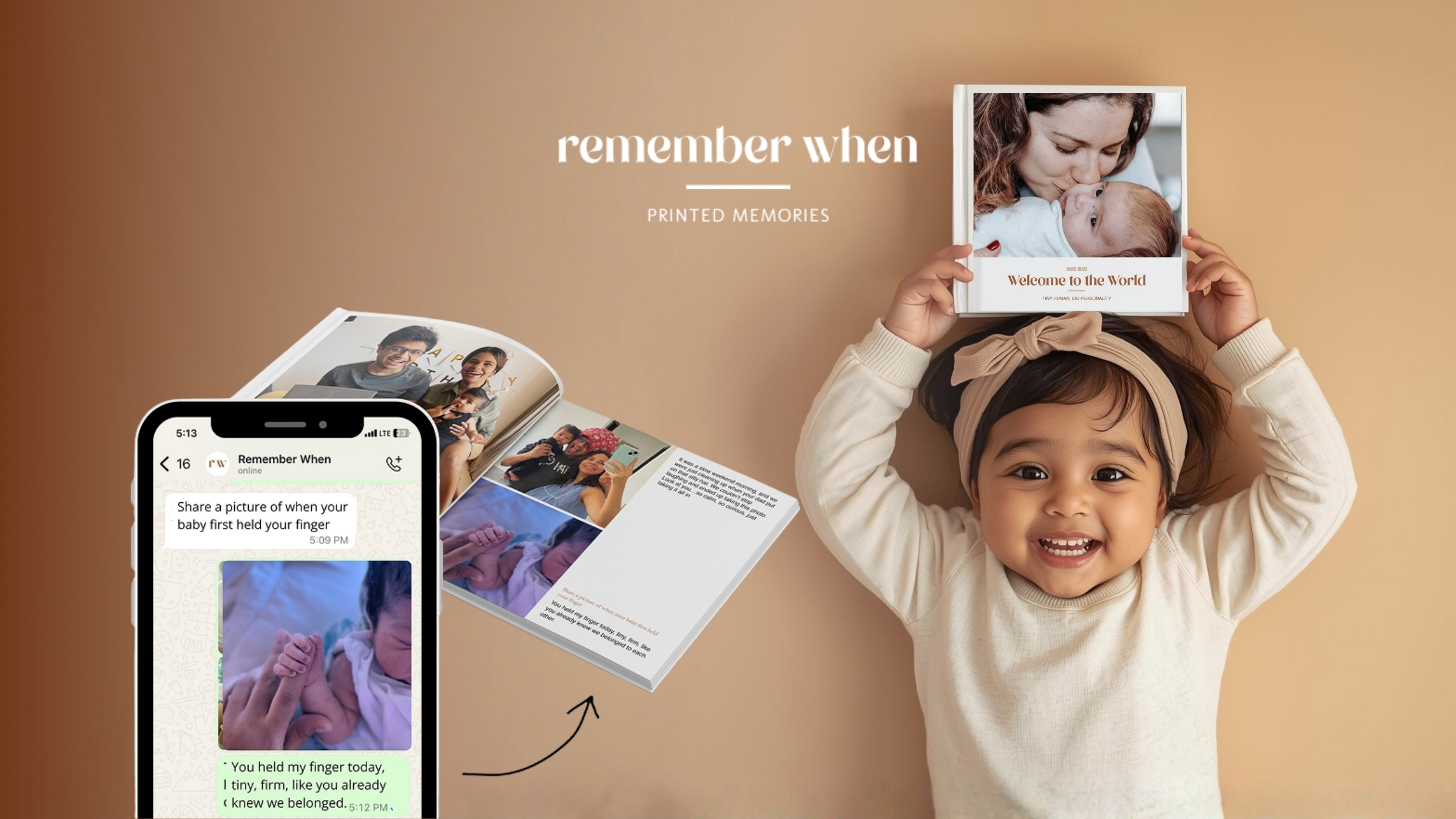
    With Remember When, thoughtful prompts arrive directly on WhatsApp, helping parents capture the stories and everyday moments that make childhood unforgettable; one question at a time.

  • How to Create a Personalized Baby Memory Book Using Digital Tools

    How to Create a Personalized Baby Memory Book Using Digital Tools

    Parents today document more memories than ever before. Every smile gets photographed and every milestone gets recorded. Every funny moment ends up somewhere between your camera roll, WhatsApp chats, cloud storage and social media.

    The challenge isn’t capturing memories anymore. It’s turning all those scattered moments into a meaningful story.

    The good news is that modern digital tools make it easier than ever to create a personalized baby memory book without spending hours printing photos or designing scrapbook pages.

    Here’s how.

    Start Saving Memories As They Happen

    One of the biggest mistakes parents make is waiting until later to organize memories. Later usually turns into thousands of photos and dozens of videos with no idea where to start.

    Instead, begin collecting memories in real time. You can start by saving photos, videos, funny conversations, milestones, voice notes and favourite habits.

    The closer you document a moment to when it happens, the more likely you’ll remember the story behind it.

    Create a Dedicated Memory Folder

    Digital memories become overwhelming when they’re mixed with everything else. Screenshots, work files, hopping lists and random downloads.

    Create a dedicated folder for your baby’s memories. This can be a cloud folder, a photo album, a WhatsApp group with yourself, a notes app or a memory-keeping platform like Remember When to create a memory book.

    Having one central place makes everything easier later.

    Save Stories, Not Just Photos

    A personalized memory book should capture more than what childhood looked like. It should capture what it felt like.

    Whenever something memorable happens, write down a quick note:

    “Today she called bananas ‘nanas’ for the first time.”

    “He insisted on wearing his dinosaur costume to breakfast.”

    “She asked where the moon goes when it rains.”

    Years later, these stories often become more meaningful than the photos themselves.

    Use Videos to Capture Personality

    Photos freeze moments. Videos capture personality. You can save clips of first laughs, favourite songs, dance moves, funny conversations and bedtime routines.

    The sound of a child’s voice is one of the memories parents miss most as children grow older.

    Even short videos can become priceless years later.

    Capture Everyday Life, Not Just Milestones

    Most parents remember to document birthdays, first steps or first words. But the most personal memory books include ordinary moments too.

    Think about favourite breakfast foods, bedtime rituals, favourite cartoons, family traditions, messy playtime and Sunday routines.

    These details help tell the full story of childhood.

    Let Technology Help You Stay Consistent

    The biggest reason parents abandon memory books is not lack of interest. It’s lack of time.

    That’s why modern memory-keeping tools work best when they fit naturally into everyday life.

    Look for tools that simplify organization, send prompts and reminders, collect photos and stories together and actually reduce manual design work like Remember When.

    The easier the process feels, the more likely you’ll continue documenting memories over time.

    Turn Digital Memories Into Something Physical

    Digital storage is convenient. But physical keepsakes create a completely different experience.

    Children can flip through them. Grandparents can revisit them. Families can gather around them.

    At some point, consider turning your digital memories into a printed memory book so those moments become part of your family’s history, not just another folder on a phone.

    Your Baby’s Story Is Already Being Written

    You don’t need perfect photos. You don’t need a scrapbooking hobby. You don’t need hours every week.

    You simply need a way to save the little moments before they disappear. Because one day, your child won’t care how organized your camera roll was.

    They’ll care about the stories you chose to keep.

    With Remember When, you can save photos, videos, stories and everyday moments through WhatsApp and turn them into a beautiful baby memory book that grows with your child, one memory at a time.

  • What Is a Pregnancy Memory Book? (And Why You’ll Treasure It Long After Birth)

    What Is a Pregnancy Memory Book? (And Why You’ll Treasure It Long After Birth)

    Pregnancy is one of the most documented phases of life. There are ultrasound photos, baby shower pictures, bump photos, doctor’s appointments and endless messages from excited family members.

    And yet, when parents look back years later, it’s often not the photos they miss most. It’s the feelings, the excitement, the nervousness or even the cravings. The tiny moments of anticipation before they ever met their baby.

    That’s where a pregnancy memory book becomes so meaningful. Because pregnancy isn’t just the beginning of a baby’s story.

    It’s the beginning of a parent’s story too.

    What Is a Pregnancy Memory Book?

    A pregnancy memory book is a collection of memories, photos, milestones, thoughts and stories from the journey to becoming a parent.

    Think of it as a record of the nine months before your baby’s arrival. It captures not only what happened, but what you felt along the way.

    Most pregnancy memory books include ultrasound photos, bump pictures, pregnancy milestones, cravings, baby shower memories, personal reflections and messages from loved ones.

    Together, these moments create a story that’s often forgotten once parenthood begins.

    Pregnancy Goes By Faster Than You Think

    For many parents, pregnancy feels long while they’re living it. There are appointments to attend, lists to complete and a nursery to prepare.

    Endless waiting. But once the baby arrives, that entire chapter can feel surprisingly distant. The details start to blur.

    You forget when you first felt the baby kick, what names you were considering, what made you emotional, what you worried about and what you were most excited for.

    A pregnancy memory book helps preserve these moments before they quietly fade.

    It’s More Than Just Bump Photos

    Many people assume a pregnancy book is simply a collection of maternity photos. But the most meaningful pregnancy memories are often much deeper than pictures.

    It’s the story behind those pictures. The day you saw your first positive test, the reactions from family and the foods you suddenly couldn’t stop eating.

    The songs you played on repeat, the conversations you had while imagining your future. All of it makes those months unforgettable.

    These are the details that bring the journey back to life years later.

    It Captures a Version of You That Only Existed Once

    Pregnancy is a unique season of life. A version of yourself that exists only for a short period. Before your baby arrives and before your family changes forever.

    A pregnancy memory book preserves your hopes, your fears, your excitement and your expectations.

    One day, looking back at those thoughts can feel just as emotional as looking at your baby’s childhood photos. Because it reminds you of who you were before you became a parent.

    A Gift Your Child Will One Day Love

    Children are naturally curious about their beginnings. They ask constant questions:

    • What was I like when I was born?
    • Did you decide my name already?
    • What did you think about when you were pregnant?

    A pregnancy memory book answers those questions in a way no photo album can. It allows your child to see the love, excitement and anticipation that existed long before they arrived.

    For many families, that becomes one of the most meaningful gifts they can pass down. You can also create a baby memory book along with a pregnancy book.

    Modern Pregnancy Memory Keeping Looks Different

    Today’s parents already document pregnancy constantly. Photos live on phones. Updates happen through WhatsApp. Memories are shared through videos and voice notes.

    The challenge isn’t capturing memories. It’s preserving them in a way that can be revisited years later.

    That’s why modern memory books are becoming increasingly popular, they transform scattered digital moments into a meaningful story families can hold onto forever.

    Pregnancy is where it all begins. The chapter where everything began.

    A pregnancy memory book helps preserve those nine extraordinary months so that years later, you can remember not just what happened, but how it felt.

    With Remember When, you can turn photos, videos, stories and milestones from your pregnancy journey into a beautiful keepsake you’ll treasure long after your baby arrives.

  • What Is a Baby Memory Book? (And Why So Many Parents Wish They Started One Earlier)

    What Is a Baby Memory Book? (And Why So Many Parents Wish They Started One Earlier)

    The first year of your baby’s life is filled with moments you’ll swear you’ll never forget like their first smile, the funny way they slept, the sound of their laugh and the favourite toy they carried everywhere.

    At the time, these memories feel impossible to lose. Yet ask any parent of an older child and they’ll tell you the same thing: Childhood moves much faster than you expect.

    That’s exactly why baby memory books exist.

    What Is a Baby Memory Book?

    A baby memory book is a collection of memories, stories, photos, milestones and little moments from your child’s early years. Think of it as a time capsule of childhood.

    It captures not just what happened, but what life felt like during those years. Most baby memory books include photos, milestones, favourite things, family stories, funny moments and even videos.

    Years later, it becomes a way to revisit a version of your child that no longer exists. Here are some of the top benefits of having a baby memory book.

    It’s More Than Just a Photo Album

    Many people confuse baby memory books with photo albums. A photo album shows you what happened but a memory book tells you the story behind it. A picture might show your child holding a stuffed toy.

    A memory book tells you they carried it everywhere for six months, they refused to sleep without it and they called it by a completely different name.

    The photo captures the moment. The story preserves the memory. And often, it’s the stories that families treasure most.

    Baby Memory Books Preserve the Things Parents Forget First

    Most parents remember the big milestones like first words, first steps and first birthday. But childhood is made up of much smaller moments too.

    Like the favourite bedtime story, the funny mispronounced words, the endless questions, the weird sleeping positions and the little habits that felt so normal at the time.

    These are often the first memories to disappear. A baby memory book helps preserve the details that rarely make it into photo albums.

    They Become More Valuable Over Time

    One of the surprising things about memory keeping is that its value grows with time. A photo taken last week feels ordinary. The same photo ten years later feels priceless.

    The same happens with stories. Things that seem small today often become the memories families revisit most. Because memory books aren’t really created for the present.

    They’re created for the future. For the day when you want to remember. And for the day your child wants to know what their childhood was like.

    A Gift for Your Child and for Yourself

    Parents often think they’re creating memory books for their children. But in reality, they’re creating them for both.

    Years later, children get to see who they were, what they loved and how they changed. And parents get something just as valuable.

    A way to revisit moments that would otherwise be lost to time. Because no matter how many photos we take, memory isn’t perfect.

    Modern Baby Memory Books Look Different

    Traditionally, baby books involved handwritten journals, printed photos and scrapbooks. Many parents still love that approach. But modern families document life differently.

    Most memories now live inside phones, WhatsApp chats, videos and camera rolls.

    Today’s memory books often combine both worlds. The convenience of digital documentation with the emotional value of a physical keepsake.

    Making memory keeping easier and more realistic for busy parents.

    What Should You Put Inside a Baby Memory Book?

    There are no rules to what you should include inside a baby memory book. Some parents focus on milestones. Others focus on everyday life.

    Some of the most meaningful things to include are photos of favourite toys, favourite foods. funny conversations, family traditions, bedtime routines, letters from parents and videos of ordinary days.

    Because childhood isn’t only made up of special occasions. It’s made up of ordinary moments repeated over and over again.

    Right now, your child’s favourite toy is probably lying somewhere on the floor. Their favourite song is probably playing for the hundredth time. Their funny little habits feel completely normal.

    But one day, those things will be gone. A baby memory book helps you hold onto them a little longer. The goal isn’t to capture everything. It’s to save the moments that make your family’s story unique.

    With Remember When, you can turn everyday photos, videos, stories and memories into a beautiful baby memory book you’ll revisit for years to come.

  • Why Families Choose Remember When

    Why Families Choose Remember When

    Most parents don’t realise how fast memories disappear until they already have. The big milestones usually get photographed.

    It’s the little things that slowly fade. Remember When was created to help parents preserve those moments with their child without adding more pressure to parenthood.

    Here’s what makes it different.

    Built for Real Parents, Not Perfect Parents

    Most memory keeping systems assume parents have endless time to organise galleries, design layouts, print photos and write journal entries regularly. But real parenting is messy and unpredictable.

    Remember When was designed for parents who want to preserve memories consistently without turning it into another task on their to-do list.

    No perfection required. No falling behind. No pressure to keep up.

    Works Through WhatsApp

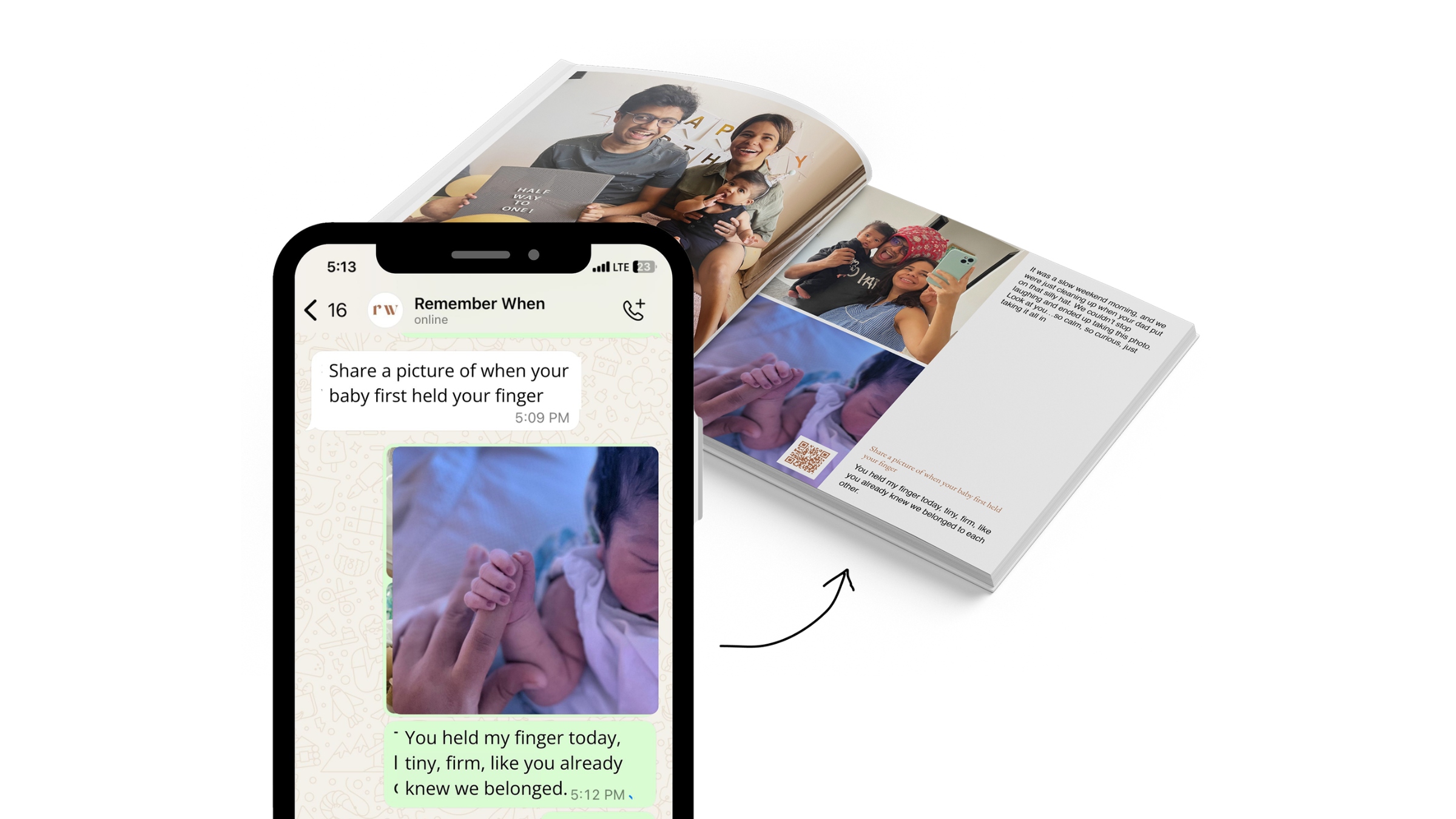
    This is one of the biggest reasons parents actually continue using Remember When. You don’t need to learn a new app or spend hours designing pages.

    You simply send photos, videos and memories directly through WhatsApp, the place where parents already naturally share family memories every day.

    It feels less like working on a baby book and more like simply living life.

    Captures More Than Just Photos

    Most photo albums preserve what childhood looked like. Remember When preserves what childhood felt like.

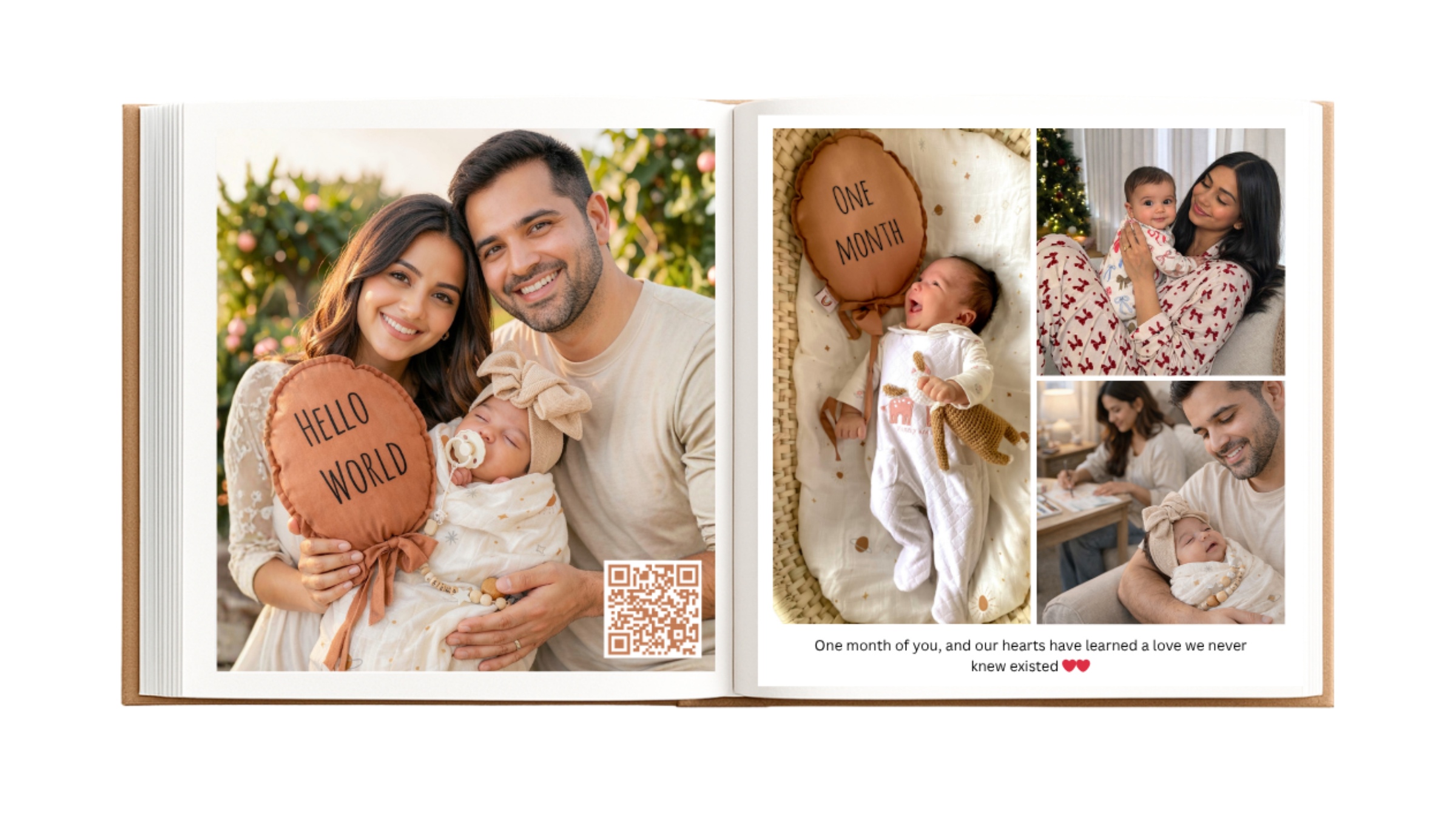
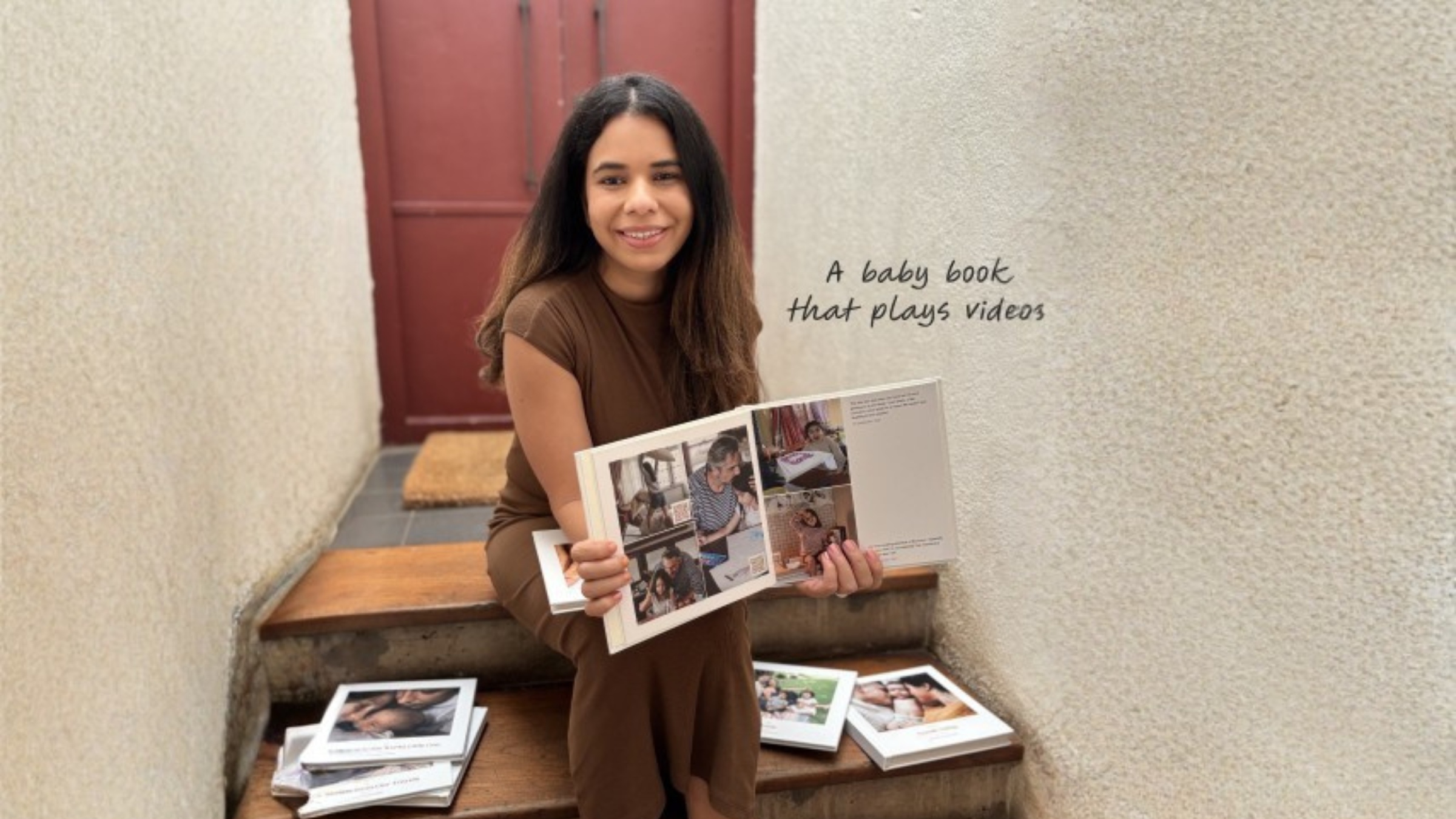
    Along with photos, parents can save videos too to capture the moments. Because years later, those details often become the most emotional memories of all. You can easily access the video through a QR code with lifetime access.

    Organised Without the Effort

    One of the hardest parts of memory keeping is organisation. Parents often end up with: thousands of unsorted photos, random screenshots and memories scattered across apps and devices.

    Remember When automatically helps organise memories into a structured timeline through our algorithm. Without parents needing to manually manage everything themselves.

    Designed to Preserve Everyday Life

    Most traditional baby books focus heavily on milestones. But childhood is mostly made up of ordinary days.

    The snack they ate every afternoon. The cartoon phase they were obsessed with. The way they mispronounced certain words.

    Remember When helps families preserve these in-between memories that usually get forgotten first through our prompts. You can use the prompts sent through WhatsApp to create the baby book easily without getting overwhelmed.

    A Physical Keepsake Families Can Revisit Together

    Digital memories often stay trapped inside phones. But physical memory books create a completely different experience.

    Children sit and flip through them. Grandparents revisit stories. Families gather around memories together. Remember When transforms everyday digital moments into something tangible families can hold onto for years.

    Made for Modern Family Life

    Today’s parents already document life constantly. The challenge isn’t capturing memories, it’s preserving them meaningfully.

    Remember When bridges that gap by combining the ease of digital documentation with the emotional value of physical keepsakes.

    So memories don’t just stay stored. They stay remembered.

  • Remember When: Brand Story

    Remember When: Brand Story

    Some memories deserve more than a camera roll.

    Parenthood moves quietly. One day your phone is filled with newborn photos. Then suddenly, your child has a favourite cartoon, a strange bedtime ritual, a personality that feels entirely their own.

    And somewhere in between the school runs, sleepless nights, blurry selfies and everyday chaos, childhood keeps changing.

    That’s where Remember When began.

    Not as a baby product. Not as another parenting task. But as a simple way to help families hold onto the moments that disappear the fastest.

    Why We Started

    Like most modern parents, we realised something strange. We were taking more photos than ever before, thousands of them.

    Yet somehow, we still felt like we were forgetting things. Not the big milestones, those were easy to capture.

    It was the smaller things like the funny mispronounced words, the favourite bedtime story, the weird food obsession, the tiny family rituals and the ordinary evenings that quietly became memories.

    The moments that truly made up childhood were getting buried inside camera rolls and lost between screenshots and cloud backups. We didn’t just want to store memories. We wanted families to actually revisit them.

    Memory Keeping Shouldn’t Feel Like Homework

    Traditional baby books often come with pressure to fill every page, keep up every month, write perfectly and stay organised. But real parenting doesn’t work that way.

    Parents are busy. Life gets messy. Memories happen in between everything else. So we built Remember When differently.

    A memory book designed for modern families. One that fits naturally into everyday life instead of becoming another unfinished project sitting in a drawer.

    Built Around the Way Parents Already Document Life

    Today, parenting already happens digitally. Parents naturally save memories through WhatsApp, photos, videos, voice notes and little everyday updates. So instead of asking families to completely change their habits, Remember When works with them.

    You simply send memories as they happen, on WhatsApp.

    A random photo.
    A funny sentence.
    A video from dinner.
    A milestone.
    An ordinary day you never want to forget.

    Over time, those moments become something bigger: a beautifully preserved story of your family.

    We Believe the Ordinary Moments Matter Most

    Anyone can save birthday photos. But childhood is built from much smaller things. The songs your child danced to nonstop, the toys they carried everywhere and the Sunday breakfasts.

    The little traditions that felt ordinary at the time. Years later, these are often the memories families treasure most.

    That’s why Remember When focuses not just on milestones, but on the feeling of family life itself.

    More Than a Baby Book

    To us, memory keeping isn’t about creating something perfect. It’s about preserving connection.

    A way for children to one day look back and understand who they were and what made their family unique. Because family stories don’t begin years later when we talk about them. Here is why memory keeping matters so much to families.

    They begin right now, in the middle of ordinary life.

    For the Families Who Never Want to Forget

    The tiny moments, the loud moments, the emotional moments and the beautifully ordinary moments.

    Remember When exists to help parents preserve the story they’re already living: one memory at a time.

  • Digital vs Physical Memory Keeping: Do You Really Have to Choose?

    Digital vs Physical Memory Keeping: Do You Really Have to Choose?

    Modern parenting happens digitally. Baby photos live inside camera rolls, family videos sit in cloud storage and tiny milestones get shared on WhatsApp. Random childhood moments are captured instantly on phones.

    At the same time, many parents still deeply value physical memories like printed photo albums, handwritten notes and baby memory books. And somewhere between these two worlds, parents often feel confused: Should memories stay digital or become physical?

    But maybe the better question is: Do families actually have to choose one over the other? The truth is, both forms of memory keeping serve completely different emotional purposes.

    Digital Memory Keeping Captures Everyday Life Easily

    One of the biggest advantages of digital memory keeping is convenience. Parents can capture moments instantly like first steps, funny videos, random conversations, sleepy selfies and everyday parenting chaos.

    Modern parenting moves quickly and digital tools make it possible to preserve moments in real time. There’s no need to pause life to document it.

    This is why most childhood memories today naturally begin digitally. Phones have become modern family archives.

    Digital Memories Often Stay Forgotten

    The problem isn’t capturing memories, it’s revisiting them. Most families have thousands of photos saved across phones, WhatsApp chats, cloud folders, hard drives and old devices.

    But very few actually go back and experience those memories meaningfully. Digital memories are incredibly easy to save. They’re surprisingly easy to forget too. A beautiful family moment can disappear beneath screenshots, work files and random downloads within days.

    Physical Memories Feel Emotionally Different

    There’s something powerful about holding memories in your hands. A printed family photo, a pregnancy album or a baby memory book.

    Physical memories slow people down. Families naturally sit together and revisit them. Grandparents flip through pages slowly, children ask questions and parents tell stories behind the photos.

    Physical memory keeping transforms memories from stored files into shared experiences.

    The Problem With Physical Memory Keeping Alone

    Traditional physical memory keeping also has challenges. Scrapbooks and baby books often require time, consistency, organisation, printing photos and writing entries manually. Most parents begin enthusiastically and slowly stop midway through.

    Not because they don’t care, but because modern parenting leaves very little extra time. That’s why many memory books remain unfinished.

    The Best Memory Keeping Usually Combines Both

    Digital and physical memory keeping are not opposites. The strongest family memory systems often combine both beautifully.

    Digital tools help parents capture moments easily, document life naturally and save everyday memories instantly. Physical keepsakes help families revisit memories emotionally, preserve stories long-term and create something future generations can hold onto.

    One captures life quickly. The other helps life feel lasting. Parents today don’t need more pressure to choose between them.

    They need systems that work naturally within already busy lives. That’s why modern memory keeping is shifting toward simpler approaches: documenting through phones, saving memories through WhatsApp and preserving both photos and stories together by turning digital memories into physical keepsakes.

    The goal isn’t perfection. It’s consistency. Here are some baby book ideas beyond birthdays and milestones that you can preserve in a memory book.

    With Remember When, parents can save everyday memories easily through WhatsApp and turn them into beautiful physical keepsakes.

    The Real Goal Is Connection

    Whether memories begin digitally or physically doesn’t matter nearly as much as one thing: Will your family revisit them years later?


    The best memory keeping helps children understand who they were, what childhood felt like, how deeply they were loved and what made their family unique. That emotional connection matters far more than the format itself.

    You don’t have to choose. Digital memories capture life as it happens. Physical memory books help families hold onto it forever.

  • Baby Book Ideas Beyond Birthdays and Milestones

    Baby Book Ideas Beyond Birthdays and Milestones

    Most baby books focus on the big moments like first steps, first words, birthdays and first day of school. And while those milestones matter, they only tell a tiny part of your child’s story.

    Because childhood is not lived through milestone moments alone. It’s lived through silly habits, favourite songs, funny questions, tiny routines, messy mornings, bedtime rituals and phases that disappear before parents even realise they mattered.

    The memories families cherish most years later are often the ones nobody thought to document. Here are some meaningful baby book ideas beyond the usual milestones.

    1. A “Currently Loving” Page Every Few Months
    2. Their Funny Mispronounced Words
    3. A Typical Day Chapter
    4. Their Little Fears and Big Questions
    5. Family Traditions and Rituals
    6. Notes From Parents

    A “Currently Loving” Page Every Few Months

    Instead of only documenting achievements, capture who your child is becoming. Every few months, capture favourite food, favourite toy, favourite cartoon, favourite song and favourite bedtime story.

    Children change incredibly fast. These tiny snapshots preserve their personality at different ages, not just what they accomplished.

    Their Funny Mispronounced Words

    Every child accidentally invents language. They pronounce words incorrectly and create funny nicknames or say things in ways adults never would.

    Parents always believe they’ll remember these forever. But most disappear surprisingly quickly unless written down. A simple page filled with such words often becomes one of the most emotional parts of a memory book later.

    A Typical Day Chapter

    Special days get photographed constantly. Ordinary days rarely do. But one day, your child may want to know what mornings looked like, what breakfast they ate every day and what bedtime routines felt like.

    Documenting one completely normal day every year creates an incredibly powerful time capsule of childhood.

    Their Little Fears and Big Questions

    Children experience the world in such unique ways. The fear of the dark, questions about the moon, asking why birds don’t fall from the sky or wondering where dreams come from. These conversations reveal how children think at different stages of life.

    And they often become some of the funniest, sweetest memories later.

    Family Traditions and Rituals

    The things families repeat quietly often become the strongest childhood memories like Sunday breakfasts, movie nights, festival traditions, bedtime songs or the dance party after dinner.

    These rituals shape what childhood feels like. A memory book should preserve not only the child, but the atmosphere of family life around them.

    Notes From Parents

    One of the most meaningful additions to any baby book is simple writing from parents themselves. Not polished letters, just honest thoughts about what you loved about this stage
    what surprised you, what made you emotional and what you never wanted to forget.

    One day, children will care deeply about how they were loved and remembered.

    Tiny Everyday Photos Matter More Than Perfect Ones

    Not every picture needs to be beautifully posed. You can save blurry bedtime selfies, messy playrooms, sleepy car rides, breakfast table moments and random giggles.

    Because childhood isn’t remembered like a photoshoot. It’s remembered like a feeling. There are also different types of memory books you can create for your child.

    The Best Baby Books Feel Like Real Life

    The most meaningful memory books aren’t the most aesthetic ones. They’re the ones filled with personality, stories, imperfections and little moments that made a childhood feel real.

    Milestones matter. But the moments between milestones are often where the real story lives.

    With Remember When, you can preserve everyday moments, stories, photos and videos, not just milestones, in a baby book your child will love.

  • Types of Memory Books You Can Create for Your Baby Based on Your Personality

    Types of Memory Books You Can Create for Your Baby Based on Your Personality

    There are two types of parents. The ones who label every baby photo album by month and the ones who still have pictures sitting somewhere in their camera roll. And honestly, both are normal.

    Memory keeping doesn’t have to look the same for every mom. The good news is there’s no right way to create a baby memory book. The best memory book is simply the one you’ll actually continue.

    Here are different types of memory books based on your personality.

    1. The “I Don’t Want to Forget a Single Moment” Book
    2. The “I’m Too Busy for This” Book
    3.  The “Creative Scrapbook” Book
    4. The “Everything Is on My Phone” Book

    The “I Don’t Want to Forget a Single Moment” Book

    For the parents who document everything. Your baby memory book is probably detailed, emotional, filled with tiny stories and packed with milestone photos and notes.

    You don’t want to miss even a tiny sneeze of your baby. For you, a book that asks daily questions and helps you keep up with every baby milestone is the perfect match.

    The “I’m Too Busy for This” Book

    You want to preserve memories. You just don’t have time for complicated systems as parenthood is total chaos. You need something simple, low effort and realistic for daily life.

    This is exactly why many modern parents and new moms are shifting toward WhatsApp-based memory keeping tools like Remember When, where memories can be documented in just 10 mins once a month.

    The “Creative Scrapbook” Book

    Your memory book is basically an art project. You save dried flowers, hospital tags, handwritten notes and tiny keepsakes from pregnancy.

    Your baby memory book becomes a mix of journaling, craft, storytelling and family history. Years later, these books feel deeply personal because they reflect not just your child’s life, but your personality too.

    The “Everything Is on My Phone” Book

    Your parenting journey currently exists in camera rolls, WhatsApp chats, random voice notes and cloud backups you never organise.

    There is this constant fear of losing the data and precious memories. With Remember When memory books it is possible to just keep sending these memories on WhatsApp without having to worry about the safety of data or the stress of managing them.

    The Truth About Memory Keeping

    Your baby won’t care if your memory book looked Pinterest-perfect. One day, they’ll just want to know what childhood felt like, who loved them and what made them laugh.

    Whether you create a scrapbook, a pregnancy album, a digital journal or a simple baby memory book through WhatsApp, what matters most is preserving the moments before they quietly disappear.

    There’s no perfect way to document parenting. Just your way.

    Start creating your baby’s memory book with Remember When, a simple way for modern parents to turn everyday WhatsApp messages into lasting keepsakes, without the pressure of doing it perfectly.

  • 3 Ways to Save Your Baby’s Memories: Finding the Method That Works Best for You

    3 Ways to Save Your Baby’s Memories: Finding the Method That Works Best for You

    Every parent wants to hold onto their child’s early years a little longer. But when it comes to preserving memories, every family does it differently.

    Some parents love traditional scrapbooks filled with handwritten notes and keepsakes. Some prefer aesthetic printed photobooks. And some simply want an easy way to save everyday parenting memories without adding another task to their already chaotic life.

    Here’s a look at different ways new parents are preserving childhood memories.

    1. Traditional Scrapbooks
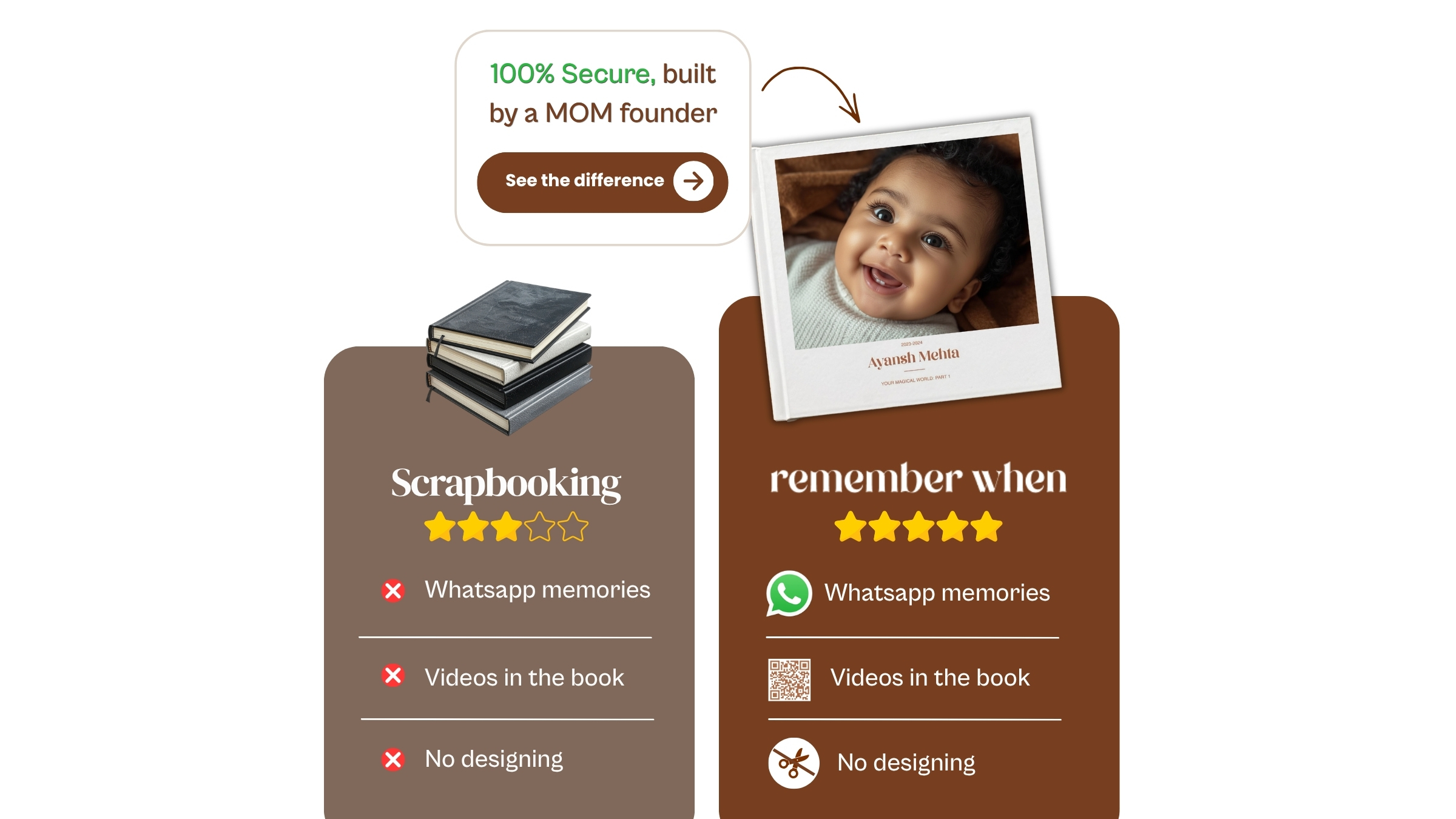
    2. Printed Photobooks (Odd Giraffe, White Book & Similar Brands)
    3. Remember When Memory Book

    Traditional Scrapbooks

    Traditional scrapbooks have been part of family memory keeping for generations. These are handmade collections filled with printed photos, handwritten notes, stickers, drawings and tiny keepsakes

    For many mothers, scrapbooking becomes part of the emotional experience of parenting itself. You can customize layouts, themes and colour schemes. It is not possible to store everything digitally due to various problems.

    Best For: Creative parents, parents who enjoy journaling and families who love DIY projects.

    Pros

    • Extremely personal and emotional
    • Can include physical keepsakes
    • Creative freedom
    • Feels unique to your family

    Cons

    • Time-consuming
    • Difficult to maintain consistently
    • Requires effort, organisation and supplies
    • Easy to start, hard to continue 

    Printed Photobooks (Odd Giraffe, White Book & Similar Brands)

    Printed photobooks have become very popular among modern parents who want beautifully designed keepsakes without manually creating scrapbooks. Brands like Odd Giraffe and White Book help parents turn digital galleries into professionally printed photo albums.

    These usually focus heavily on aesthetics where you design the page layouts and get the printed book. 

    Best For: Parents who love only capturing photos collection, families wanting polished printed albums and moms who take lots of photos during pregnancy and parenting.

    Pros

    • Professionally designed look
    • Easy to preserve long-term
    • High-quality printed keepsakes
    • Great for gifting and milestones
    • Clean, modern layouts

    Cons

    • Usually photo-focused more than story-focused
    • Parents still need to organise and upload photos manually
    • Everyday moments can get lost if not curated intentionally
    • Less spontaneous compared to ongoing journaling

    Remember When Memory Book

    Remember When approaches memory keeping differently. Instead of asking parents to sit down and work on a scrapbook or organise galleries, it works naturally through WhatsApp. Parents can simply send photos, videos, milestones and little everyday memories throughout the year. These memories are then turned into a beautifully organised baby memory book.

    It’s designed for modern parenting, especially for busy parents and new moms who want to preserve memories consistently without adding pressure. 

    Best For: Busy parents, parents who naturally document life on their phones, moms who want to preserve both photos & videos and people who struggle with consistency.

    Pros

    • Extremely easy to maintain
    • Works through WhatsApp
    • Captures everyday moments, not just milestone photos
    • Includes stories and emotions
    • No designing or scrapbooking effort required
    • Helps preserve memories consistently over time

    Cons

    • Less DIY/custom craft experience compared to scrapbooks
    • Parents who enjoy physical crafting may prefer traditional methods

    Comparison Table

    FeaturesTraditional ScrapbookPrinted PhotobookRemember When memory book
    Time RequiredHighMediumLow
    Effort RequiredHighMediumLow
    Best ForCreative. DIY ParentsParents who love aestheticsParents wanting to create a story, not just a book
    What You Can SaveNote, letters, physical keepsakesPhotos & milestone memoriesPhotos, videos, stories, emotions
    CostLowHighMedium
    Consistency RequiredHighMediumLow

    There’s No Right Way to Remember

    Some parents love handmade scrapbooks. Some prefer aesthetic photobooks. Some just need a simple way to stop their baby memories from disappearing into camera rolls. And all of them are valid.

    Because memory keeping isn’t about perfection. It’s about preserving the moments that matter before they quietly fade. The best baby memory book is simply the one that fits naturally into your parenting life.