Category: Why You Should Preserve Memories

  • The Problem With Saving Everything Digitally

    The Problem With Saving Everything Digitally

    Modern parents document more memories than any generation before. Every milestone becomes a photo, every cute moment becomes a video and every family trip gets uploaded somewhere.

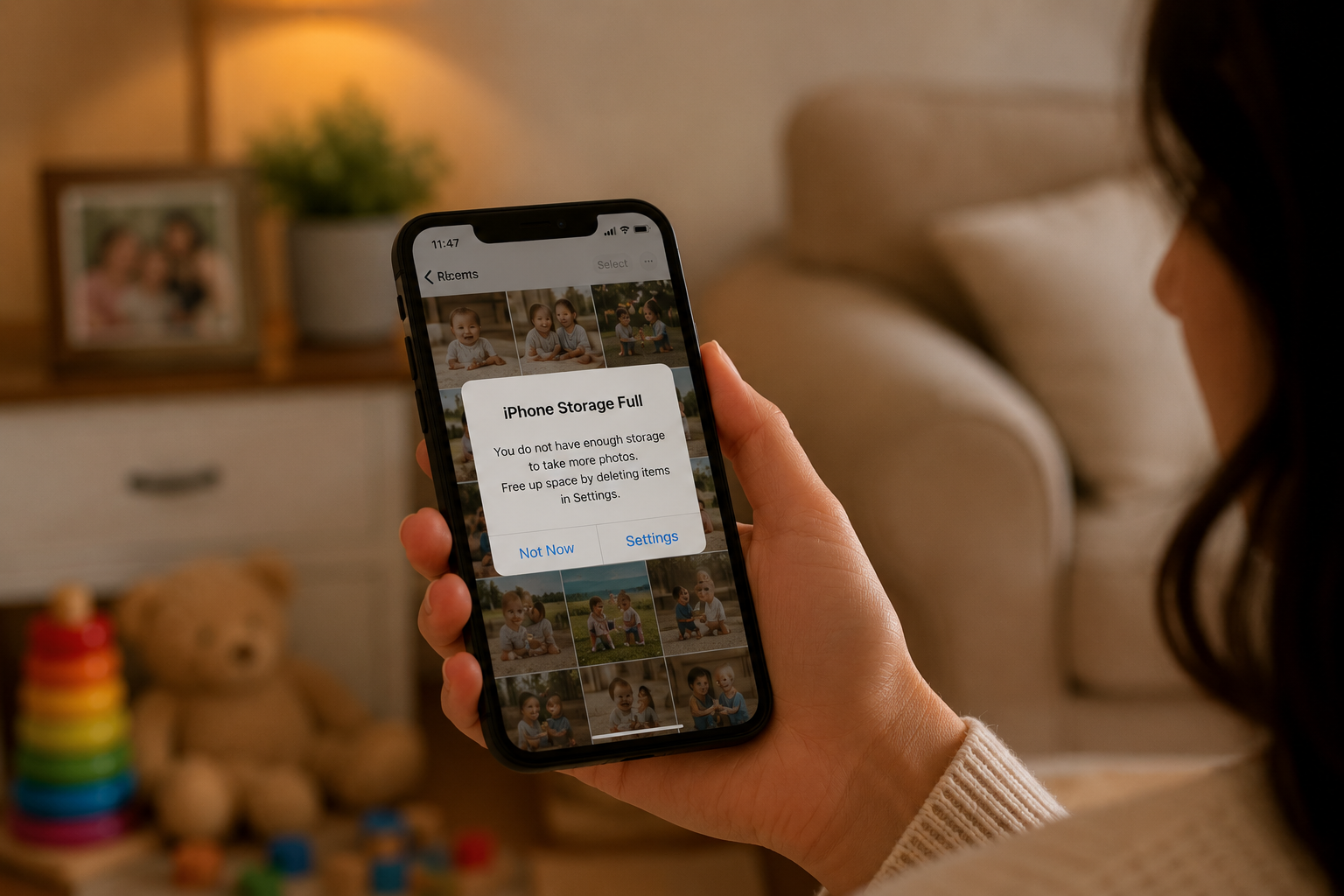
    Phones are filled with thousands of pictures from pregnancy, birthdays, vacations and everyday childhood moment. And yet, despite saving everything digitally, many families still feel like memories are slipping away.

    Because storing memories and preserving memories are not the same thing.

    We Confuse Storage With Preservation

    Most people assume that if something exists in their camera roll, it’s safe forever. But digital storage is not the same as meaningful preservation.

    A memory saved as IMG_47291 inside a crowded phone gallery is technically stored, but emotionally disconnected. The context disappears, the story disappears and the feeling behind the moment slowly fades too.

    Over time, memories become files instead of experiences families actually revisit.

    Digital Memories Get Buried Extremely Fast

    An average parent takes thousands of photos every year. But those memories compete with screenshots, work documents, random downloads, shopping references, WhatsApp forwards and duplicate photos.

    Eventually, important childhood moments get buried under everyday digital clutter. Parents often spend more time searching for memories than reliving them.

    And because everything is saved, nothing feels intentionally preserved. Parents often stop making baby books halfway through as they get overwhelmed.

    Most Families Rarely Revisit Their Camera Rolls

    Parents constantly capture moments, but very few regularly revisit them. Think about it: How often do families actually sit together and scroll through old galleries? How often do children hear the stories behind those photos?

    Photos without storytelling often become passive storage, not active family history.

    Technology Changes Faster Than Memories Do

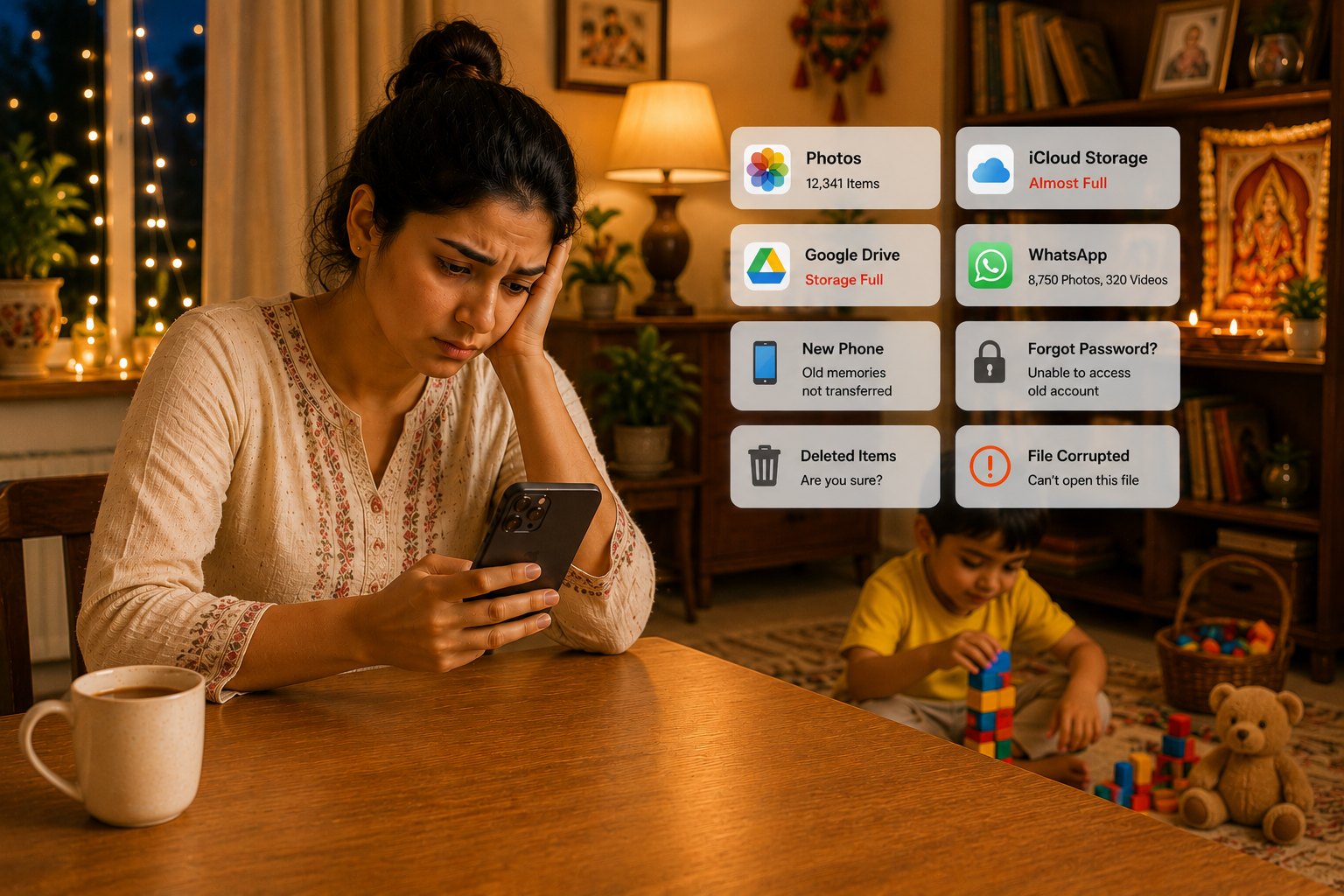
    Hard drives fail, phones get replaced, passwords get forgotten and cloud subscriptions expire. Every generation has lost memories to outdated technology in some form.

    Old CDs. Corrupted drives. Deleted chats. Broken phones.

    The danger of digital-only memory keeping is that memories become dependent on platforms and devices that constantly change. But family stories deserve something more lasting than temporary storage systems.

    We Take Too Many Photos and Too Few Emotional Snapshots

    Digital parenting often encourages quantity over meaning. Parents take 40 photos of one birthday cake, 15 versions of the same pose and endless videos that never get watched again

    But the memories families cherish most years later are usually much simpler: the bedtime routine, the Sunday breakfast, the way a child mispronounced a word and the favourite stuffed toy.

    The ordinary details that rarely feel important enough to photograph. Sometimes the emotional memory matters more than the perfect picture.

    Digital Memories Can Feel Surprisingly Temporary

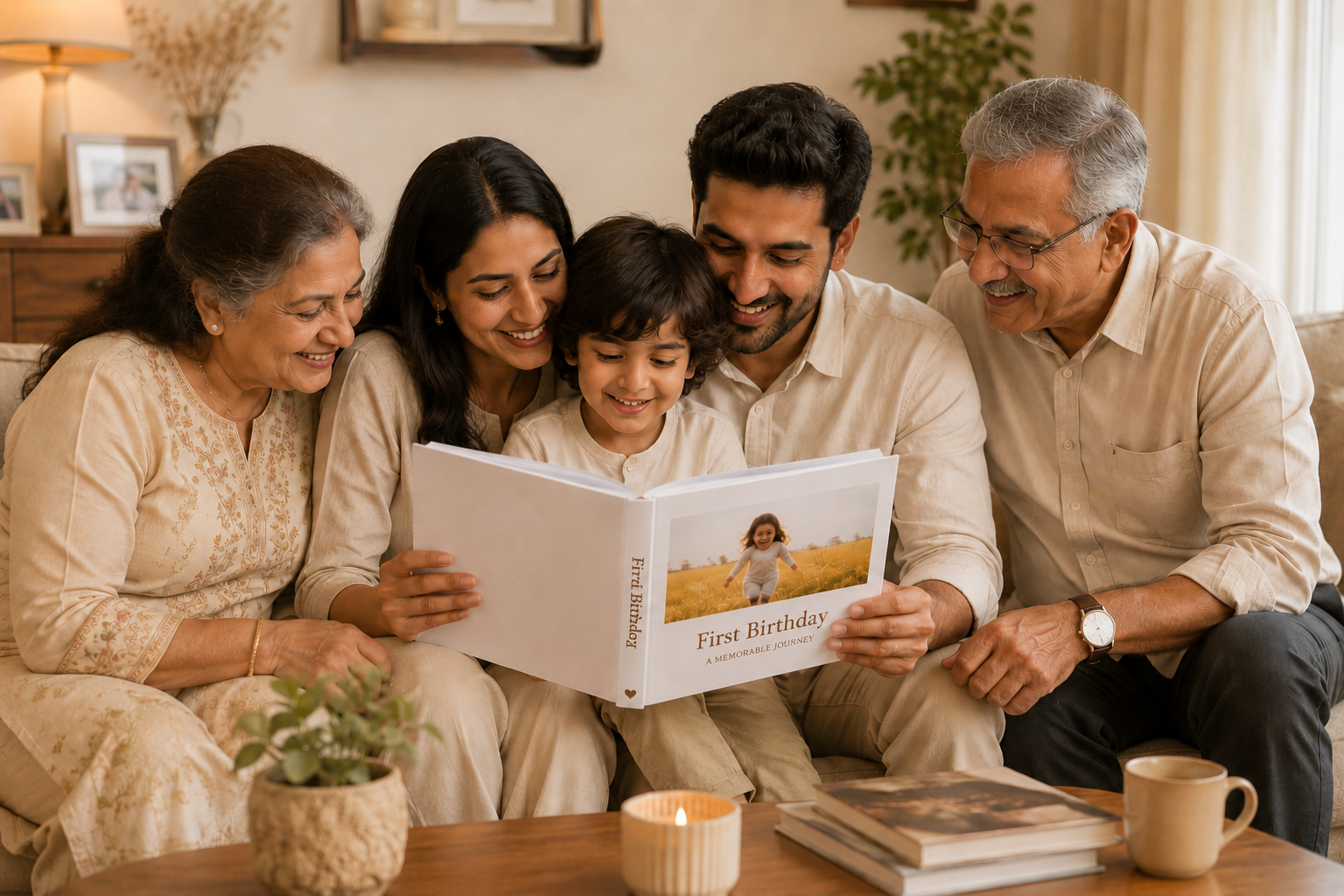
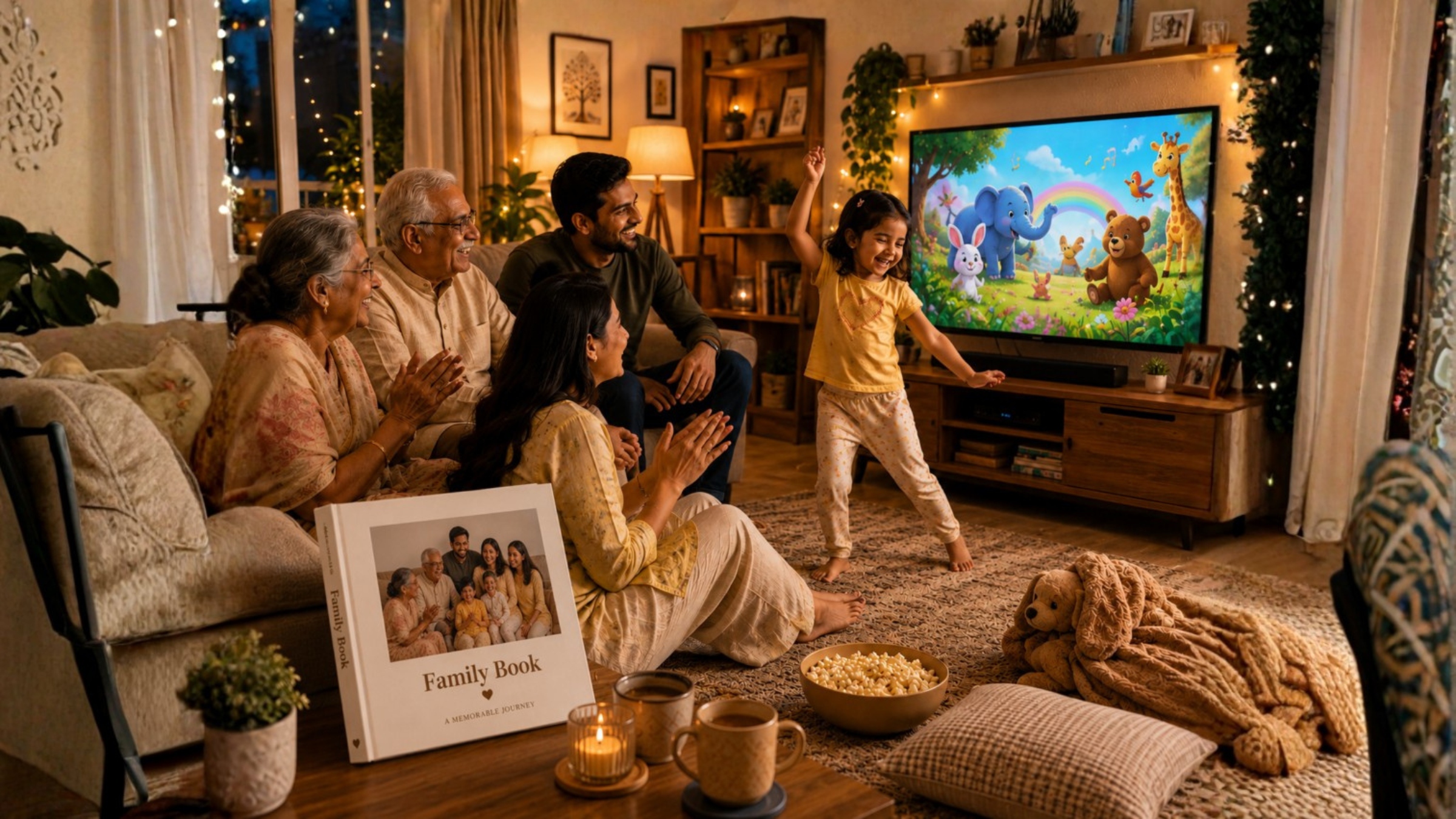
    There’s something emotionally different about physical memories. A printed photo album, a handwritten note and a family memory book sitting on a shelf.

    These things naturally invite revisiting. Children pull them out, grandparents flip through them and families sit together and tell stories around them.

    Digital memories often stay hidden behind passwords, folders and endless scrolling. Physical memory keeping turns moments into something families can actually experience together again.

    Parenthood Deserves More Than Infinite Storage

    The goal of memory keeping isn’t to save everything. That’s impossible. The goal is to preserve what mattered.

    The little details. The stories. The emotions. The phases of family life that disappear quietly over time.

    Because one day, your child won’t care how many photos existed in your camera roll. They’ll care about the stories you chose to hold onto. And the everyday moments that made childhood feel real.

    With Remember When, you can turn your photos, videos, stories and WhatsApp memories into a meaningful memory book your family will actually revisit for years to come.
  • Why Parents Stop Making Baby Books Halfway Through

    Why Parents Stop Making Baby Books Halfway Through

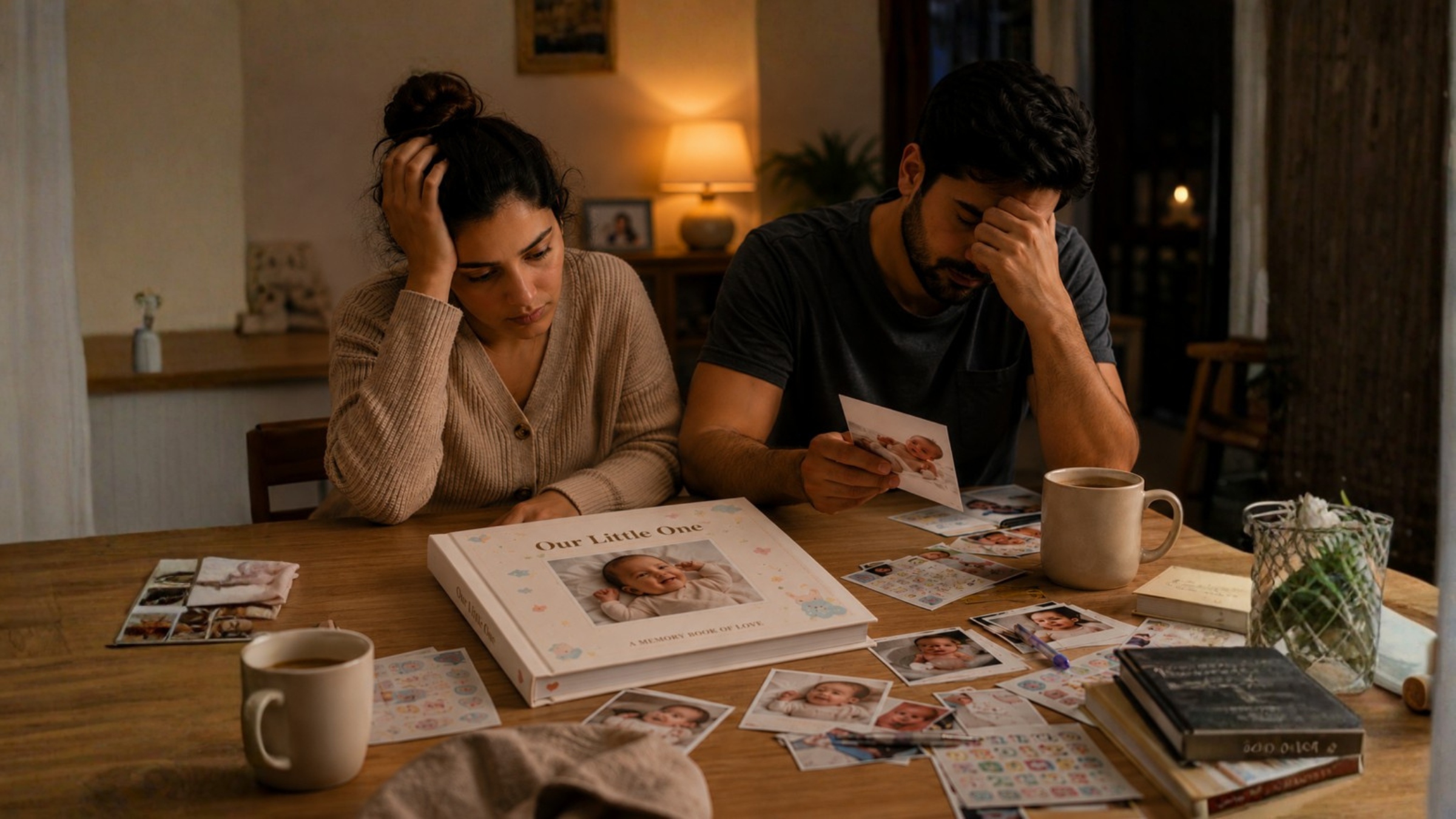
    Most baby books begin with the best intentions. A new baby arrives, parents buy a beautiful book and they carefully fill in the first pages. Add milestone photos, write down first memories and promise themselves they’ll keep it updated.

    Then life happens. A few weeks become a few months and the book gets placed in a drawer. And eventually, another unfinished baby book joins thousands of unfinished projects that started with excitement and ended with guilt.

    The truth is, most parents don’t stop because they don’t care. They stop because traditional memory keeping often asks too much from people already trying to keep up with parenthood. Here’s why:

    • Parenting Is Already a Full-Time Job
    • The Pressure to Do It Perfectly
    • Parents Take More Photos Than Ever
    • The Most Important Memories Don’t Feel Important at the Time
    • Traditional Baby Books Don’t Match Modern Parenting
    • The Real Problem Isn’t Motivation

    Parenting Is Already a Full-Time Job

    The biggest reason parents stop maintaining baby books is surprisingly simple: they’re busy. Very busy.

    Between feeding schedules, school runs, work meetings, household responsibilities and trying to get enough sleep, most parents aren’t looking for another task to manage. The problem isn’t that parents don’t want to save memories.

    It’s that memory keeping often gets pushed behind more urgent priorities. And by the end of the day, sitting down to organise photos, write entries and update pages feels impossible.

    The Pressure to Do It Perfectly

    Many parents start a baby book imagining something beautiful. Perfect handwriting. Thoughtful captions. Organised milestones.

    A Pinterest-worthy keepsake.

    But perfection can become the biggest obstacle. Once a few pages are missed, parents often feel they’ve fallen behind. And when the gap becomes too large, many simply stop altogether.

    The irony is that memory books were never meant to be perfect. They’re meant to be personal. A messy memory book filled with real stories is far more meaningful than a perfect one that never gets finished.

    Parents Take More Photos Than Ever

    Today’s parents aren’t documenting less. They’re documenting more than any generation before. Thousands of photos, videos and voice notes.

    The challenge isn’t capturing memories. It’s organising them.

    Many families have years of memories sitting inside camera rolls, cloud storage and chat folders. The sheer volume becomes overwhelming. Instead of helping parents preserve memories, technology often creates a new problem: too much content and no simple way to turn it into something meaningful. The story of your family is happening right now, in the present moment, and you need to preserve it.

    The Most Important Memories Don’t Feel Important at the Time

    Most baby books focus heavily on milestones: first steps, first words or first birthdays. But parenting isn’t made up only of milestones.

    It’s made up of favourite bedtime stories, funny mispronunciations, random questions, silly habits and everyday routines. The problem is that parents often don’t realise these moments matter until they’re gone.

    And because they don’t seem important at the time, they rarely make it into traditional baby books.

    Traditional Baby Books Don’t Match Modern Parenting

    Most memory books were designed for a different era. An era with fewer photos and even fewer distractions. More time spent printing pictures and organising albums.

    But modern parenting looks different. Most memories now live on phones. Parents naturally document life through photos and videos. Yet many memory-keeping systems still expect parents to sit down and manually organise everything later.

    That’s where the process often breaks.

    The Real Problem Isn’t Motivation

    Parents don’t stop because they stop caring. If anything, they care too much. They worry about forgetting things and missing memories. They worry about preserving childhood properly.

    The real problem is friction. When memory keeping feels like another project, it becomes difficult to maintain. When it fits naturally into everyday life, it becomes sustainable.

    Memory Keeping Should Be Easier Than Forgetting

    The best memory system isn’t the most beautiful one. It’s the one you’ll actually use. Because the value of a baby book isn’t found in perfect layouts or flawless organisation.

    It’s found in the stories that make it inside. The tiny moments and the ordinary days. The little details that would otherwise disappear.

    You don’t need a perfect scrapbook. You don’t need to write every day. You don’t need to organise thousands of photos manually. You simply need a way to capture moments before they slip away.

    Remember When was built for modern parents who want to preserve childhood without adding another task to their lives. Simply share photos, videos, stories and memories through WhatsApp and we’ll help turn them into a beautiful memory book you’ll actually finish.

  • The Story of Your Family Is Happening Right Now

    The Story of Your Family Is Happening Right Now

    Most people think family stories are something you look back on. The stories grandparents tell at gatherings or the old photo albums brought out during festivals.

    But family stories don’t begin when they’re remembered. They begin while they’re being lived: right now. In the middle of ordinary weekdays, rushed mornings, forgotten conversations and routines that feel too normal to matter.

    The story your family will tell years from now isn’t waiting to happen. It’s already happening.

    One Day, Today Will Be the Good Old Days

    It’s easy to believe that the moments worth remembering are still ahead of us like the big vacations, the graduations and the milestone celebrations.

    But ask any parent what they miss most about earlier years and the answers are surprisingly ordinary. The tiny shoes near the door, the bedtime stories and the toys scattered across the floor.

    At the time, those moments felt repetitive. Sometimes even exhausting. Yet years later, they become the very things people wish they could revisit for just one afternoon. The truth is that today’s routine is tomorrow’s nostalgia.

    Family Stories Are Built From Ordinary Days

    When children grow up, they rarely remember life as a collection of milestones. Instead, they remember patterns. The way Saturdays felt, the songs played in the car and the family jokes nobody else understood.

    The traditions that happened so often nobody thought to document them. These moments quietly become the emotional foundation of childhood.

    They’re not exciting because they happened once. They’re meaningful because they happened hundreds of times.

    Every Family Has a Culture

    Most people think of culture as something tied to countries or communities. But families create cultures too.

    Every family develops inside jokes, traditions, routines, sayings, habits and rituals. Maybe your family eats together every night. Maybe Dad always tells the same joke. Maybe Mum has a particular way of celebrating birthdays.

    These small traditions become part of a family’s identity. Children may not realise it while growing up, but years later, these are often the things they carry forward into their own families.

    You’re Documenting More Than Childhood

    When parents save memories, they often believe they’re doing it for their children. But memory keeping preserves something else too.

    It preserves the parents. Your child may one day want to know: What was Mum like when I was little? What made Dad laugh? What did our family do together? What did life feel like back then?

    Photos and stories don’t just preserve childhood. They preserve relationships. They preserve personalities. They preserve a version of the people we love before time changes them. There is an emotional side to memory keeping that nobody talks about.

    The Most Important Chapters Often Go Unnoticed

    The strange thing about family life is that major chapters rarely announce themselves. Nobody tells you: This is the last summer they’ll want to hold your hand.

    Life changes gradually. Then suddenly. And by the time we realise a chapter has ended, we’re already missing it. That’s why so many meaningful memories are the ones nobody planned to save.

    Why You Should Preserve Family Memories

    One Day, someone will ask: What was life like back then?

    And when that day comes, the answer won’t be found in milestones alone. It will live in the everyday moments. Because the story of your family isn’t made up of special occasions. It’s made up of ordinary days shared together.

    Save the story while you’re living it. Not just the birthdays or milestones. But the everyday moments that make your family yours.

    With Remember When, you can preserve the stories, photos, traditions and little details that become family history long before anyone realizes they’re making it.

  • The Emotional Side of Baby Books Nobody Talks About

    The Emotional Side of Baby Books Nobody Talks About

    Most people think baby books are simply for milestone photos, birthdays, first words and cute memories. But over time, baby books become something much more emotional than parents expect.

    They quietly preserve a phase of life, a version of your child and even a version of yourself as a parent. Because childhood changes slowly until suddenly it doesn’t exist anymore.

    And that’s what makes them more special.

    1. Help preserve a version of your child that doesn’t exist right now
    2. Help parents preserve fleeting moments
    3. Capture little parenthood moments that go by fast
    4. Becomes a family history/ tradition over time
    5. Quietly documents the journey 

    They Help Preserve a Version of Your Child That Doesn’t Exist Forever

    Every phase of childhood feels endless while you’re living it. The baby voice, the clinginess. the random obsessions and the way they needed you for everything. Parents always think: I’ll never forget this.

    But childhood changes quietly. One day they stop asking to be carried, they stop mispronouncing certain words and they outgrow their favourite bedtime story. But most parents never realise when those little phases disappear for the last time.

    A baby memory book helps preserve the tiny details that photos alone often miss. You can add photos, videos and memories in the book.

    They Help Parents Hold Onto Fleeting Moments

    Parenthood moves incredibly fast. The exhausting days somehow become nostalgic later. The messy living room, the bedtime routines and the tiny shoes near the door. Even the cartoon songs constantly playing in the background.

    At the time, these moments feel ordinary. But years later, they become the memories parents ache to revisit. Parents take more photos than ever but remember less.

    That’s the emotional side of memory keeping that nobody really talks about: sometimes you don’t realise a moment mattered until it’s already gone.

    They Capture Little Parenthood Moments That Go By Fast

    Baby books aren’t only about children. They quietly document parenthood too, like the way you held them, the habits you created and the routines your family repeated every day.

    One day, children will look back and notice mom’s handwriting, dad’s silly captions, the way their parents spoke about them and how loved they were.

    A memory book becomes proof of presence, not just parenting.

    They Become Family History Over Time

    At first, baby books feel personal. But slowly, they become something bigger full of family stories, traditions and emotional history.

    Children grow up revisiting old photos, funny memories, pregnancy stories and little details about who they were. Eventually, these books become part of how families remember themselves.

    Not just what happened. But what life felt like.

    They Quietly Document the Journey

    The most emotional pages in memory books are rarely the perfect ones. Usually, they are random notes, blurry photos, tiny observations and simple everyday moments.

    Because memory keeping is not really about perfection. It’s about preserving the feeling of a phase before it changes.

    And that’s what makes these books more emotional with every passing year.

    You’ll Be Glad You Saved These Moments

    Childhood doesn’t disappear all at once. It fades quietly through ordinary days, tiny habits and changing routines.

    A baby memory book helps families hold onto those moments a little longer; not perfectly but meaningfully.

    Preserve your everyday memories with Remember When because the smallest moments often become the most emotional ones later.

  • We Take More Photos Than Ever, So Why Do We Remember Less?

    We Take More Photos Than Ever, So Why Do We Remember Less?

    Parents today take more photos than any generation before. Every milestone. Every smile. Every birthday. Every random cute moment.

    Our phones are filled with thousands of baby pictures, videos and tiny memories from parenting and everyday family life. And yet somehow, childhood still feels like a blur. Many mothers and fathers often find themselves scrolling through old galleries wondering: How did this phase go by so fast?

    The truth is, we’re capturing more memories than ever before but preserving them less meaningfully. Here’s why:

    • We Capture Everything but Revisit Nothing
    • Digital Memories Are Easily Lost
    • We’re More Focused on Creating Perfect Moments
    • Parenthood Goes By Really Fast

    We Capture Everything but Revisit Nothing

    Most family memories today live inside camera rolls. We click quickly, save automatically and move on just as fast. But very few parents actually revisit old baby videos, pregnancy photos, random family moments and everyday memories. Photos become digital clutter instead of emotional keepsakes.

    A picture gets saved but the story behind it slowly disappears. The funny thing your child said, the reason that moment mattered and the feeling of that phase of parenting.

    Those are usually the first things parents forget.

    Digital Memories Are Easily Lost

    Modern parenting has made documenting easier but preserving harder. Photos get buried in galleries, lost in old phones, forgotten in cloud backups and mixed between screenshots and work files.

    Sometimes parents take thousands of pictures during pregnancy and childhood but never organise them into something meaningful like a baby memory book, pregnancy album or a photo book for memories.

    And over time, important memories become harder to find and easier to lose emotionally. Because memories were never meant to live only as file names like IMG_47291. They were meant to be revisited, shared and remembered. There is science behind memory keeping and why humans want to preserve everything.

    We’re More Focused on Creating Perfect Moments

    There is pressure now to document childhood beautifully. Perfect birthdays, perfect milestone shoots and perfect family pictures. But the most meaningful memories are usually not the polished ones.

    Years later, parents become emotional about blurry bedtime selfies, messy living rooms, random car conversations, favourite bedtime stories and tiny everyday parenting routines. The ordinary moments often carry more emotional weight than the perfect photos.

    Because childhood isn’t remembered like a photoshoot. It’s remembered like a feeling.

    Parenthood Goes By Really Fast

    This is the part no one fully prepares parents for. Childhood changes quietly.

    One day your child asks to be carried for the last time. One day they stop mispronouncing a word. One day your home becomes quieter without warning.

    And most parents don’t realise certain phases are ending while they’re happening. That’s why memory keeping matters. Not to create something perfect but to hold onto the small moments that would otherwise disappear inside the speed of parenting and everyday life.

    One Day, You’ll Want More Than Just Photos

    Photos matter, but what families truly revisit years later are the stories, the routines, the emotions and the tiny details that made childhood feel alive.

    The goal isn’t to capture everything. It’s to preserve what mattered.

    Start saving your family’s everyday memories with Remember When, a simple way for new parents to turn photos, videos and little moments into a baby memory book you’ll want to revisit forever.

  • The Science of Memory Keeping and How It Helps Families Bond

    The Science of Memory Keeping and How It Helps Families Bond

    Every parent thinks they’ll remember the little things forever. But science says otherwise. Human memory is surprisingly short lived, especially during emotionally overwhelming phases. Our brains are designed to prioritise survival and routines.

    That’s why memory keeping has existed across generations. Families naturally hold onto memories because they help us hold onto identity, love and connection.

    Why Families Naturally Hold Onto Memories

    Psychologists have found that shared family memories play a huge role in emotional bonding and belonging. Children who grow up hearing family stories often develop stronger emotional security and deeper family connections.

    This is why mothers often save first outfits or tiny keepsakes inside a picture memory book for memories. These objects become emotional anchors to moments that pass too quickly.

    The Emotional Importance of Documenting Childhood

    Modern parenting moves fast. Parents today take more baby photos than any generation before them, yet somehow remember less of the emotional details.

    Memory keeping isn’t just nostalgia. It’s a way of preserving emotional context before it disappears. A simple sentence written during your child’s first year can become more valuable than hundreds of photos later:

    That’s the kind of memory families truly treasure. Here are some non-milestones memories parents can preserve.

    Memory Keeping Strengthens Family Identity

    Family traditions and baby memory books help children understand where they come from. Over time, these memories become part of family identity. These stories create connections across generations.

    Even small rituals like yearly videos, handwritten notes or documenting milestones can become lifelong emotional keepsakes for multiple generations of families.

    Modern Parenting and the Memory-Keeping Problem

    Today’s parents don’t struggle with capturing moments. They struggle with preserving them intentionally. Between parenting, work, exhaustion and endless digital clutter, memories often stay trapped inside galleries and forgotten folders.

    Instead of complicated scrapbooks or unfinished journals, tools like Remember When help parents document memories directly through WhatsApp and turn them into beautifully organised baby memory books over time.

    Because preserving childhood shouldn’t feel like another task on a parent’s to-do list.

    One Day, You’ll Look Back

    One day, your baby won’t reach for your hand anymore. The bedtime stories will stop. The tiny shoes will disappear.

    The ordinary moments that feel so normal today will quietly become memories. And years later, you won’t miss the perfect photos most. You’ll miss the little things. Don’t let those moments disappear into a camera roll.

    Start preserving your family’s story today with Remember When: a simple way for parents to turn everyday WhatsApp memories into lasting keepsakes your family will revisit forever.